
Dialing Within North Carolina
Ten digits on every local call. That is the base rule statewide, and it applies whether you are calling the house next door or a business two counties over. Half the state has worked that way since the first overlay arrived, and the rest caught up by October 2021. Anything you have stored as seven digits will fail, so the fix is to add the area code to your contacts once and forget about it.
Everything else builds outward from that ten digit core. Here is what the different phone codes look like in practice.
| Call Type | Phone Code Format | Example |
|---|---|---|
| Local within North Carolina | Area code plus seven digits | 919-555-0143 |
| Long distance in the United States | 1 plus ten digits on carriers that still ask for it | 1-828-555-0177 |
| Toll free | 1 plus a toll free prefix plus seven digits | 1-800-222-1222 |
| Service short code | Three digit N11 code | 211 |
| Line feature | Star plus two digits | *67 |
| International out | 011 plus country code plus the local number | 011 44 20 ... |
| Incoming from abroad | Their exit code plus 1 plus ten digits | +1 704 ... |
Mobile phones are more forgiving than landlines about the 1 on long distance calls. Landlines and older office systems often still want it.
N11 Service Phone Codes in North Carolina
N11 codes are the three digit shortcuts that skip the phone book entirely. Nine of them are assigned nationally, and what each one reaches depends partly on where you are standing. In North Carolina two of them behave differently than people expect, so those are worth reading closely.
| N11 Phone Code | What It Reaches in North Carolina |
|---|---|
| 211 | NC 211, run by United Way of North Carolina. Free, confidential, multilingual, staffed around the clock, all one hundred counties. Also 888-892-1162. |
| 311 | Local government services, but only where a city or county pays for it. Charlotte and Mecklenburg County share CharMeck 311. Holly Springs runs one too. Most of the state has none. |
| 411 | Directory assistance from your carrier. It costs money per call and returns less than a free web directory. |
| 511 | Traffic and travel conditions from the transportation department. Also 877-511-4662. |
| 611 | Your own phone company. It never reaches anyone else's. |
| 711 | Relay North Carolina for TTY and relay users. Charlotte tells TTY callers to dial 711 and give the assistant 704-336-7600. |
| 811 | NC 811 for underground utility locates before digging. Also 800-632-4949. |
| 911 | Emergency police, fire, and medical response. |
| 988 | Suicide and Crisis Lifeline. Press 1 for veterans, press 2 for Spanish, or text 988. |
The 811 code has a rule attached that catches people out. State law asks you to wait three full working days after the locate request before you start digging, so calling the morning of the job is too late. Utilities repeat that warning on their own safety pages.
Utility emergencies do not use a short code at all, and that is the confusion behind a lot of wasted minutes.
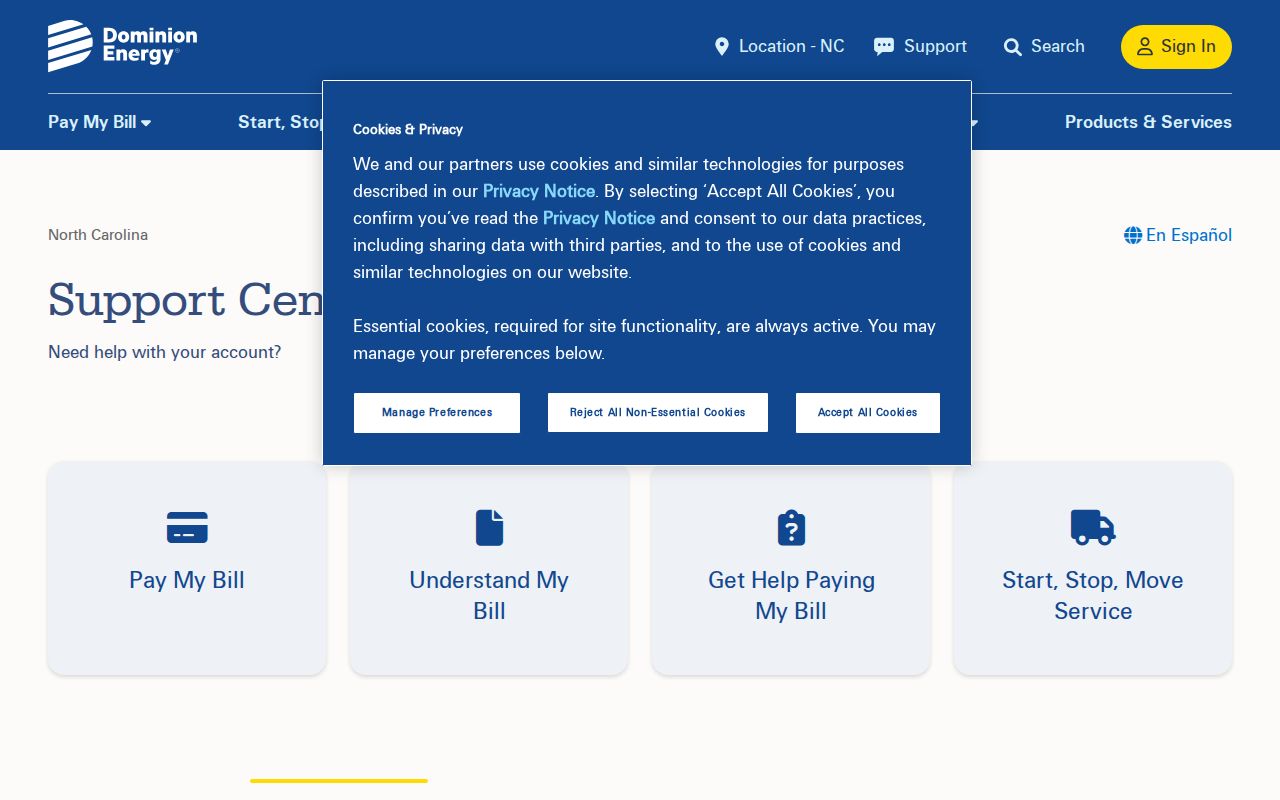
Dominion Energy North Carolina uses one ten digit number, 866-366-4357, for both customer service and downed or sparking lines, and it tells customers to call 911 as well when the situation is dangerous.
Star Phone Codes on North Carolina Lines
Star codes are the second family of phone codes, and they work the same on a North Carolina line as anywhere else, acting on your own service rather than connecting you to anyone. Type the code, and the network changes how the next call behaves. Support varies a lot. Traditional landlines handle nearly all of them, business VoIP systems handle some, and mobile phones handle only a few. Try the code and listen for the confirmation tone.
| Star Phone Code | Action |
|---|---|
| *57 | Flags the call you just received so the phone company keeps a record of where it came from. Used after threats or harassment, and law enforcement has to request the record. |
| *60 | Opens the list of numbers you want refused. A landline feature that not every provider carries. |
| *67 | Hides your number from the person you are about to call. It lasts for that one call only. |
| *69 | Dials back whoever called you last. Rarely works on mobile or internet lines. |
| *70 | Turns call waiting off so the next call will not be interrupted. |
| *72 | Starts call forwarding. You enter the number that should ring instead. |
| *73 | Stops call forwarding and sends calls back to your own line. |
| *77 | Refuses calls from anyone hiding their number. |
| *82 | Shows your number for one call, useful when your line normally hides it. |
| *86 | Reaches your voicemail box on many carrier systems. |
| *90 and *91 | Turns forwarding on and off for calls that arrive while you are already talking. |
| *92 and *93 | Turns forwarding on and off for calls you do not answer. |
The one to remember is *57. If a call crosses into threats, run the trace right away, then report it to law enforcement, because the record sits with the carrier and only gets released through them.
Menu Codes on North Carolina Agency Lines
There is a fourth kind of phone code that no numbering plan covers, and it is the one people actually deal with most. Once you reach a state office, a recorded menu asks for another digit. Those option numbers are published in a few places, which saves listening through the whole list.
Vital Records is the clearest example, because it splits its work across several direct numbers instead of one queue.
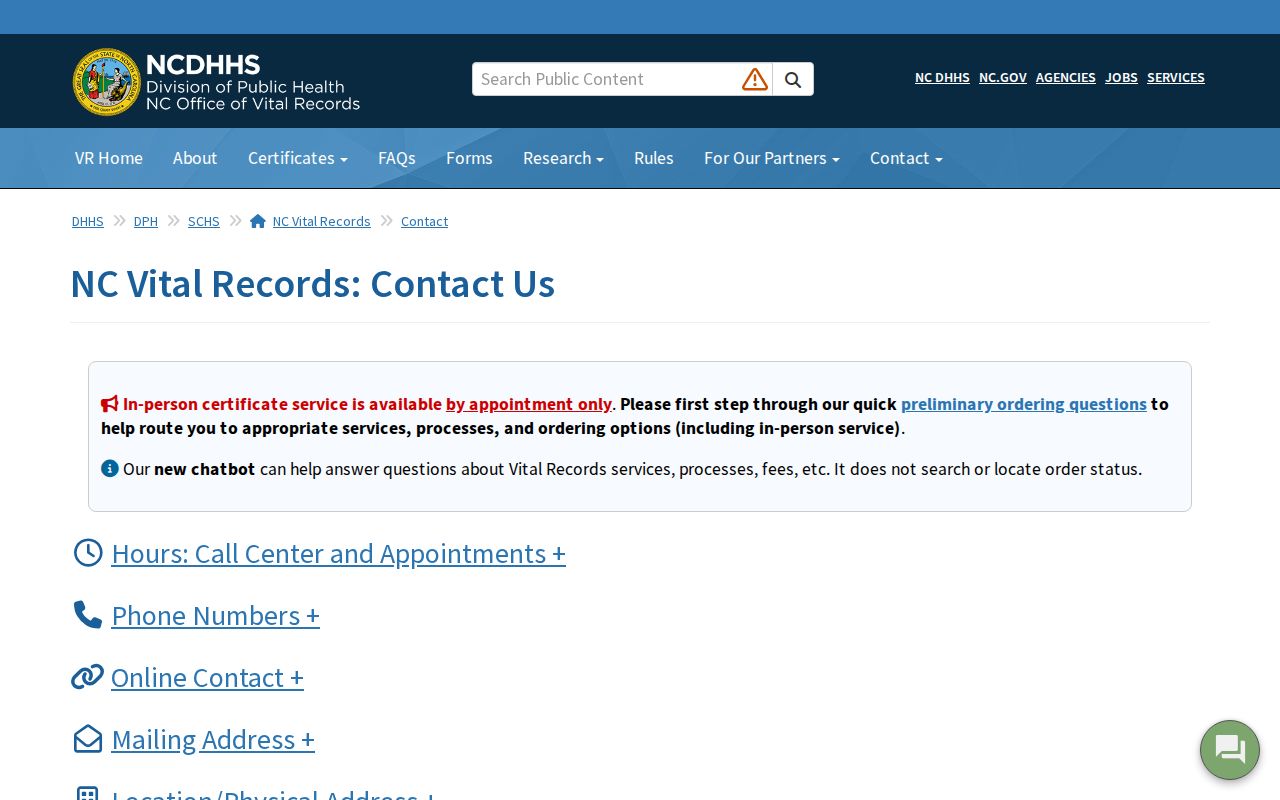
The Vital Records contact page lists general inquiries at 919-733-3000 with appointments on option 3, certificate questions at 984-236-7268, amendments at 984-236-7203, and adoption questions at 984-236-7218.
The motor vehicles division does the opposite and runs everything through one line.
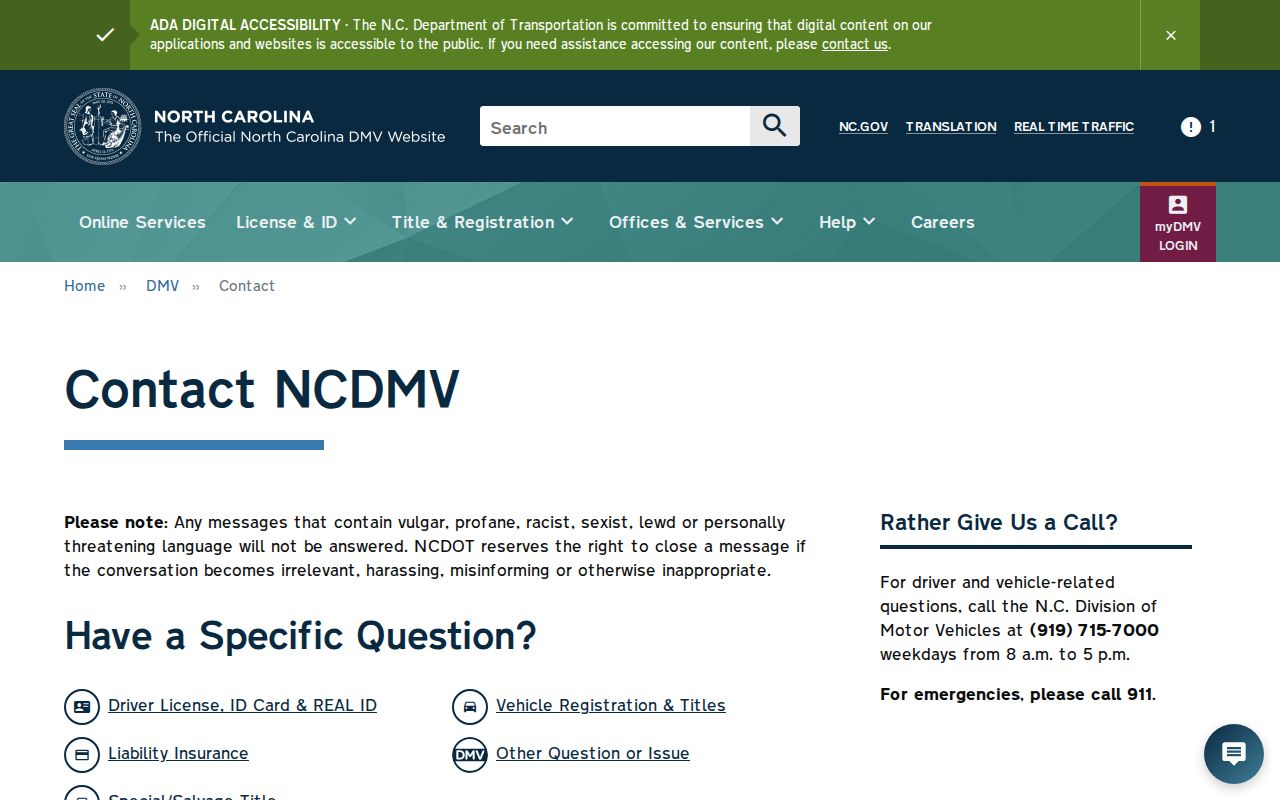
The NCDMV contact page publishes 919-715-7000 for driver and vehicle questions on weekdays from 8 a.m. to 5 p.m., and reminds callers that emergencies belong on 911 instead.
A few other menu codes are worth memorizing. The State Board of Elections puts campaign finance on option 2 of 919-814-0700. The crisis lifeline uses option 1 for the Veterans Crisis Line and option 2 for Spanish. Those single digits are as much a phone code as anything in the numbering plan, and they are the difference between two minutes and twenty.
The Area Phone Codes Serving North Carolina
Area codes are phone codes too, just the largest kind. Ten of them are live across the state, and six regions divide them up. Four of those regions run a pair of codes over the same ground, which is exactly why local calls need all ten digits here.
- 704 and 980 - Charlotte and the southern Piedmont, in use since 1947 and 2001
- 919 and 984 - the Research Triangle and central Piedmont, in use since 1954 and 2012
- 336 and 743 - the Triad and northwest, in use since 1997 and 2016
- 910 and 472 - the southeast, sandhills, and coast, in use since 1993 and 2022
- 828 - the mountains and the far west, in use since 1998
- 252 - the northeast, coastal plain, and Outer Banks, in use since 1998
Which towns fall under which code, and what happens next for the mountain region, is covered on the North Carolina phone area codes page.
Toll-Free Phone Codes
Toll-free prefixes look like North Carolina area codes but work backwards. The business receiving the call pays for it instead of you. They cover the whole country rather than a region, so a toll-free number tells you nothing about where an office sits. Most of the state hotlines listed across this site use one.
| Toll-Free Phone Code | Rolled Out |
|---|---|
| 800 | 1967, the original |
| 888 | 1996 |
| 877 | 1998 |
| 866 | 2000 |
| 855 | 2010 |
| 844 | 2013 |
| 833 | 2017 |
Each new prefix arrived because the one before it ran out of numbers, which is the same pressure that drives area code relief. Several North Carolina lines spell words with theirs. The transportation hotline at 877-368-4968 spells DOT-4YOU. The state consumer protection line at 877-566-7226 spells NO-SCAM, and the robocall hotline at 844-866-7626 spells NO-ROBO. Tourism uses 800-847-4862 for VISIT-NC, and the ferry line uses 800-293-3779 for BYFERRY.
Country Code +1 and International Phone Codes
North Carolina sits inside the North American Numbering Plan, which covers the United States, Canada, and a couple dozen Caribbean territories under a single country code of +1. That is why a call to Toronto looks like a domestic call and a call to Mexico does not. Saving numbers in the plus one format helps whenever a phone travels.
- From a North Carolina landline calling another country, dial 011, then the country code, then the local number.
- From a mobile phone, hold the zero key to get a plus sign, then the country code, then the number. It works from anywhere.
- From another country calling North Carolina, the caller dials their own exit code, then 1, then the ten digit number.
Watch out for numbers that look domestic but are not. Some Caribbean area codes sit inside the plus one plan and carry premium charges, and scam callers have used that gap for years. If an unfamiliar area code calls once and hangs up, look the code up before calling back.
Local Exchange Phone Codes in North Carolina
The middle three digits of any North Carolina number are the exchange code, written as NXX in numbering documents. It used to be a hard fact. Those digits pointed at a specific switching building and the billing area around it, which is how operators knew where a call was headed before computers did the routing.
Number pooling and portability wore that link down. Blocks now get handed out in smaller pieces, and customers keep their numbers when they change carriers or move. So an exchange code today tells you where a number started life, not who carries it now or where the phone is. Free prefix to carrier lookups are working from the original assignment records, which is why they go stale.
Some exchange codes are still recognizable locally. Raleigh city government sits on 919-996. NC State uses 919-515. UNC Charlotte uses 704-687 and prints the prefix beside its own reverse lookup box. The state education department uses 984-236. The official assignment records are published free by the numbering administrator and sort by state, then by area code and prefix.
Spam Labels and Caller ID Authentication
The words Spam Risk or Scam Likely on a North Carolina screen are not a phone code, but they come from the same plumbing. STIR/SHAKEN is the caller ID authentication framework the communications regulator requires of carriers. Each carrier signs the calls it originates, the receiving carrier checks the signature, and calls that fail the check get flagged. Analytics companies then add their own scoring on top.
Two things follow from that. A flagged call is a guess, not a verdict, and a legitimate business can get labeled by mistake, usually because it makes a high volume of short calls. If your own number gets labeled wrongly, the complaint goes to the regulator under the spoofing and spam label category.
Some free lookup sites let you check what a number's reputation looks like before you call back.
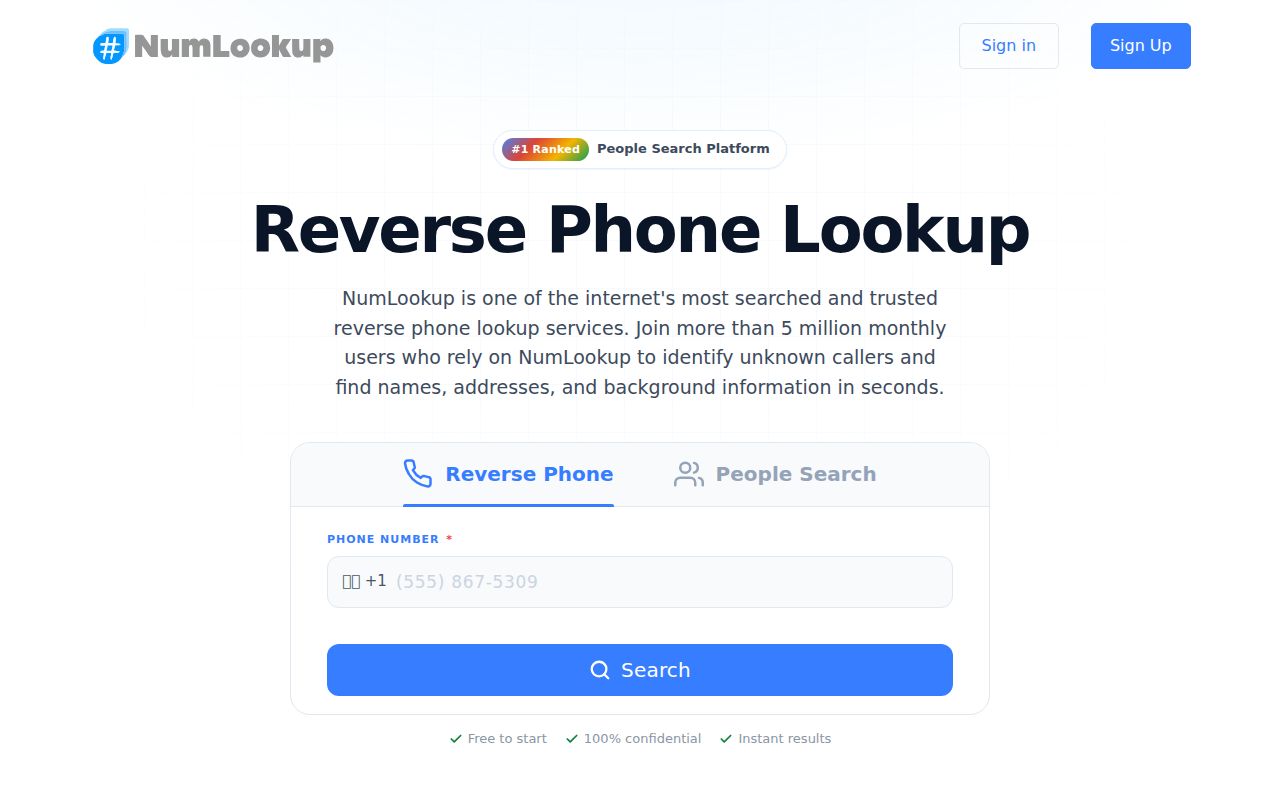
NumLookup takes a ten digit number and returns claimed name, location, carrier, and line type, though everything it says is a private company's best guess rather than a record.
Reputation directories work from complaint volume instead.
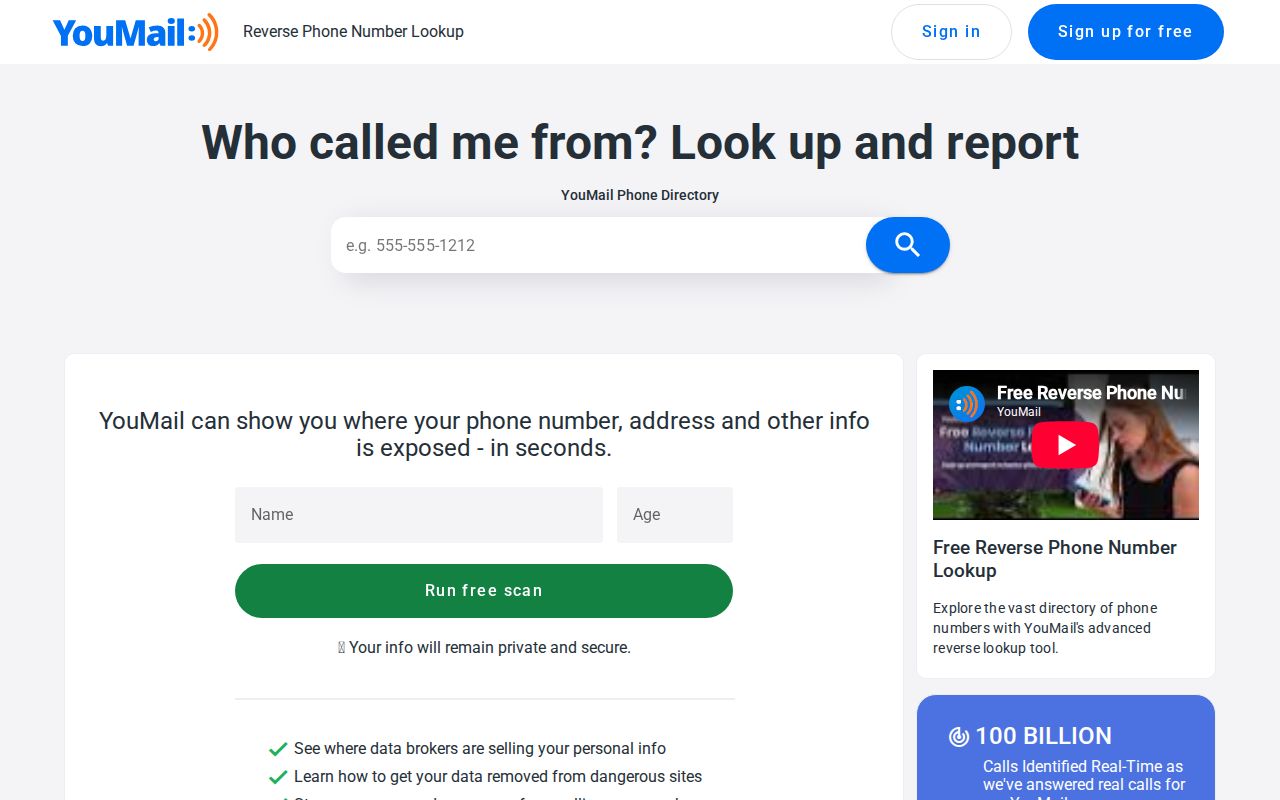
The YouMail directory shows how often a number has been reported, which is often the more useful signal when the same number keeps calling.
Phone Code Definitions
A handful of terms come up whenever phone codes are discussed, and none of them are as complicated as they sound.
- NPA
- Industry shorthand for an area code. The letters stand for numbering plan area, and it is the first block of three digits.
- NXX
- The second block of three digits, also called the exchange code. Once tied to a switching building, now closer to a hint.
- N11
- The nine three digit service codes that reach a service instead of a person. 211 and 911 are the ones most people use.
- Star code
- A star followed by two digits that changes how your own line behaves on the next call. Not every carrier supports every one.
- Toll-free prefix
- A code that flips the charge onto the business you are calling. There are seven of them in use.
- NANP
- The shared numbering system behind country code +1, covering the United States, Canada, and a set of Caribbean territories.
- Rate center
- The billing zone a batch of numbers belongs to. It follows phone company geography rather than town borders.
How to Check a North Carolina Phone Code
Two federal sources settle almost any question about a phone code. The numbering administrator maintains the public record of which codes exist, which regions they cover, and which exchange codes are assigned where. The communications regulator publishes the broader numbering data and the caller ID authentication rules behind spam labels. Neither will tell you who is on the other end of a call, and no official source will. When someone claims to be phoning from a North Carolina office, look up that office's published number and call it back yourself.
Once a code checks out, finding the office or directory behind a specific number is the next step, and that is covered on the North Carolina phone numbers page.